History and culture
Key historical passages
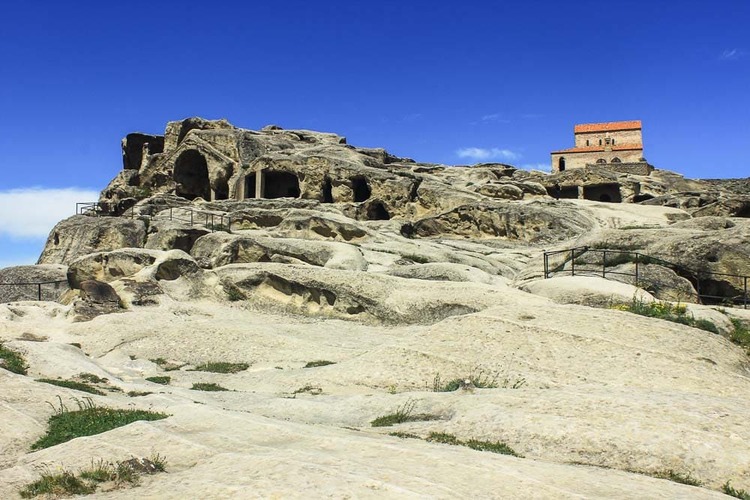
Traces of human life in the Kakheti region date back to the Stone Age, and there is evidence that people lived in the region permanently during this period. In the Early Bronze Age, in the 2nd and 3rd millennium BC, the Kura-Araxes culture and the Trialeti culture were widespread throughout the central part of the South Caucasus, with Kakheti playing a central role.
In the 11th century, Telavi became the centre of the region. After the disintegration of united Georgia in the 15th century, the Kingdom of Kakheti emerged with Gremi as its centre. In the 16th and 17th century, it was separated from a northeastern part, now known as Saingilo, which belongs to Azerbaijan.
In the late Middle Ages, the region experienced dramatic historical events, in particular numerous Persian invasions under Shah Abbas. In one invasion, 100,000 inhabitants were deported to Iran, where their descendants still live today.
The Kingdom of Kakheti existed until the 19th century, when Russia officially abolished it in 1801, making it the first region of Georgia to be annexed.
In the past, there were several uprisings in Kakheti against Tsarist Russia and later against the communists.
According to the current regional structure, historical Kakheti has the status of a territorial-administrative unit.
Culture
The folklore of the Kakheti region is truly remarkable, especially for its rich treasure trove of folk songs. Well-known folk songs from the region such as Mravalzhamieri, Zinzkaro, Urmuli, Makruli and many others are sung throughout the country. A particular gem among these songs is ‘Chakrulo’, which is known all over the world.
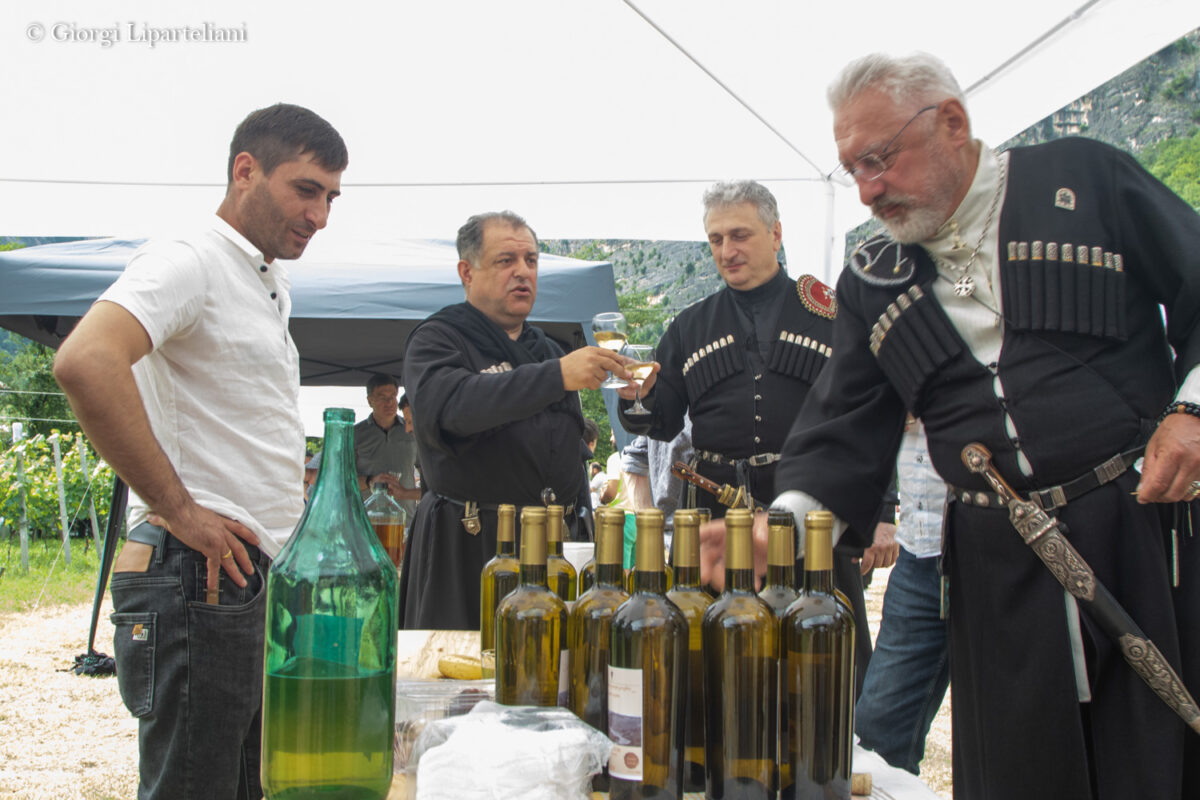
The traditional clothing of the Kakheti region is characterised by the long, knee-length chokha, which is opened in a wedge shape at the waist to accentuate the achaluch. This is often worn open with the sleeves rolled up.
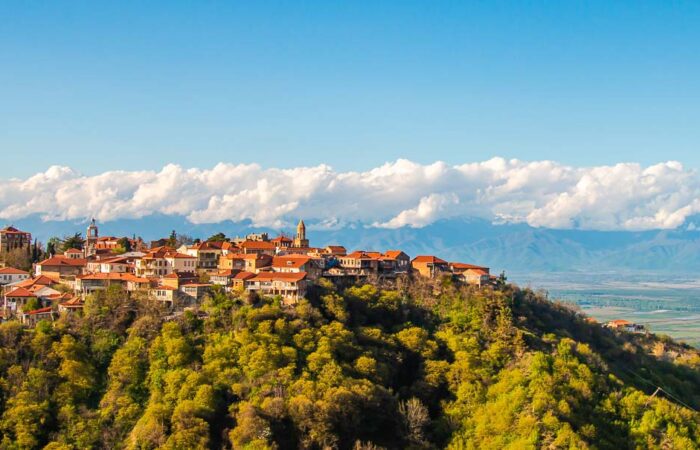
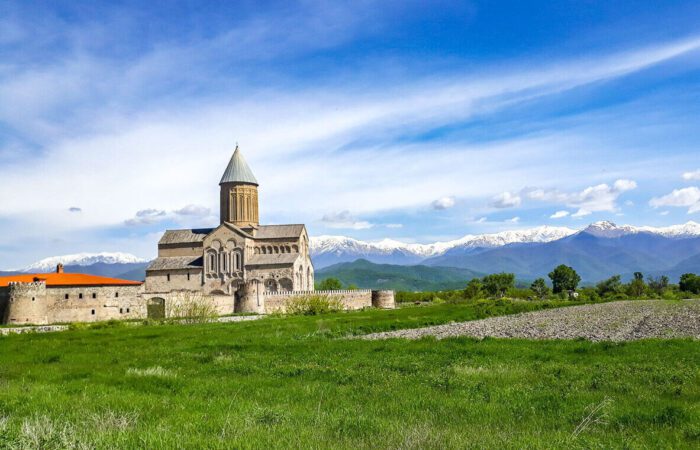
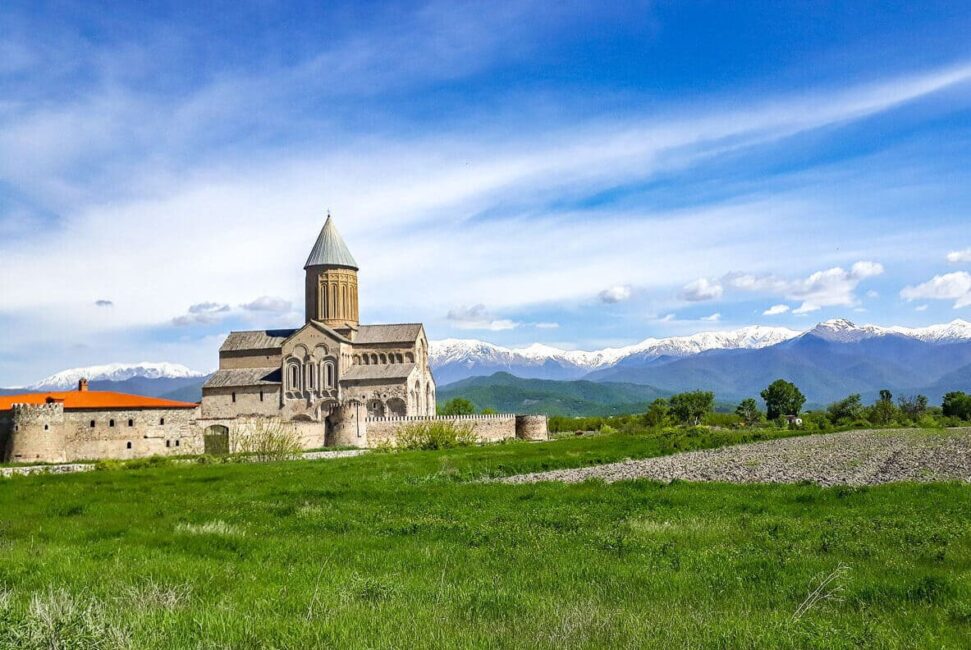
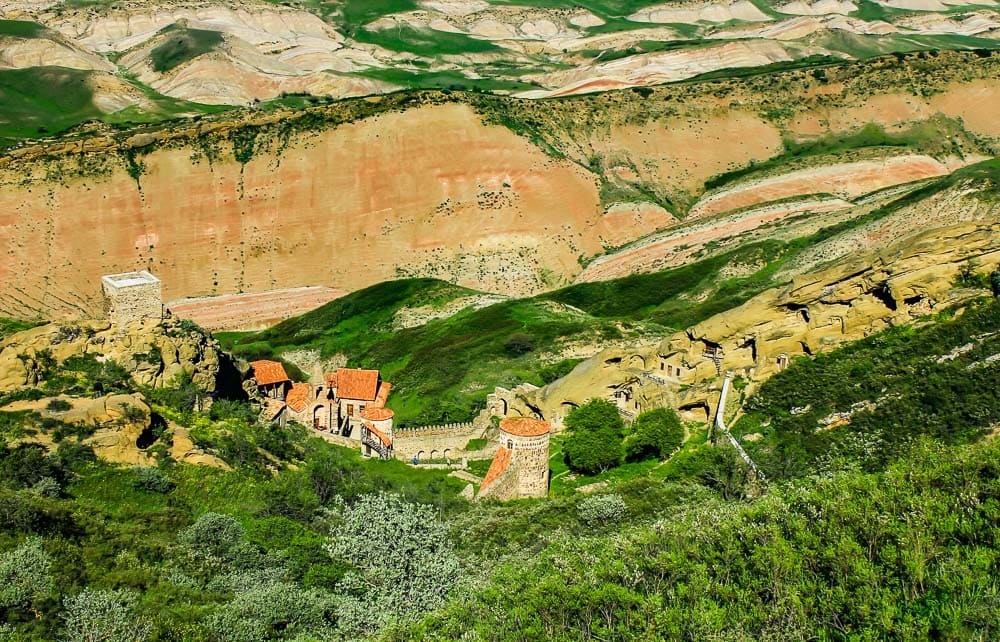
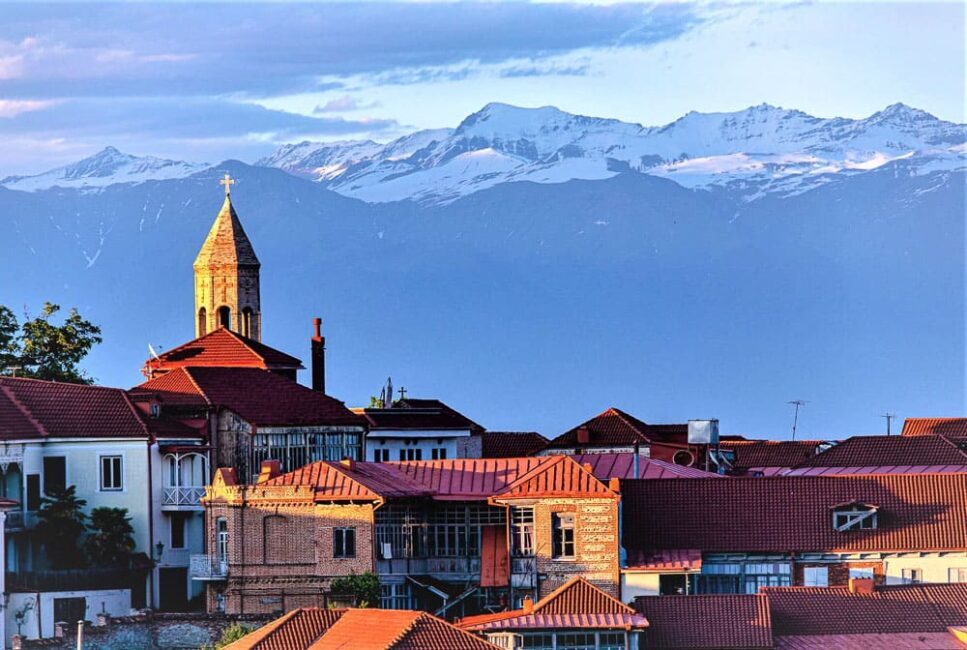
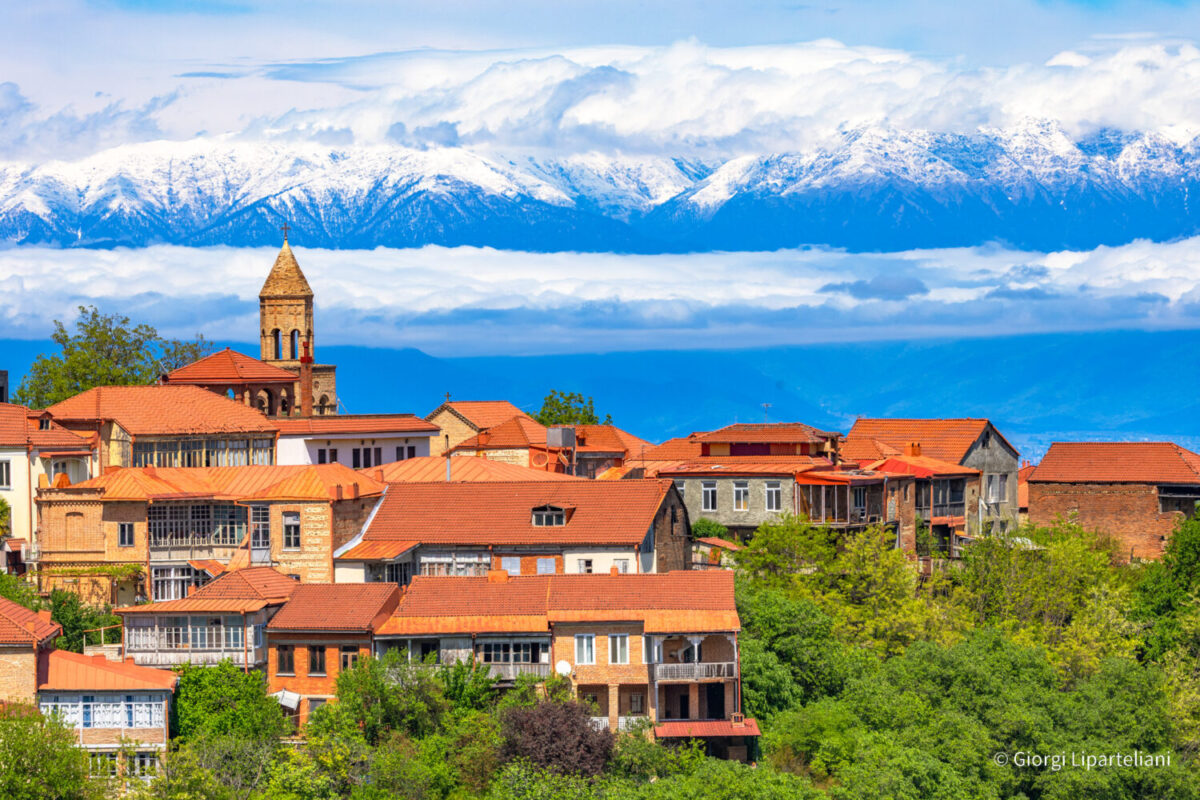
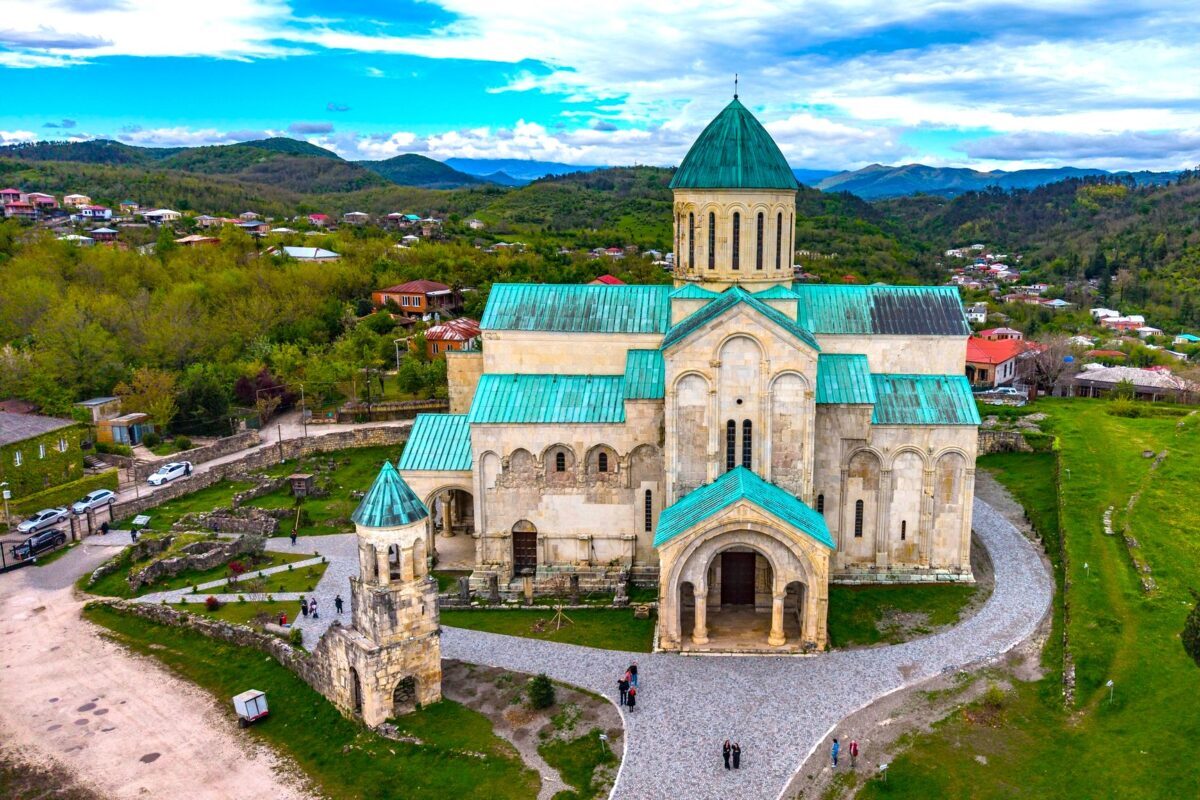
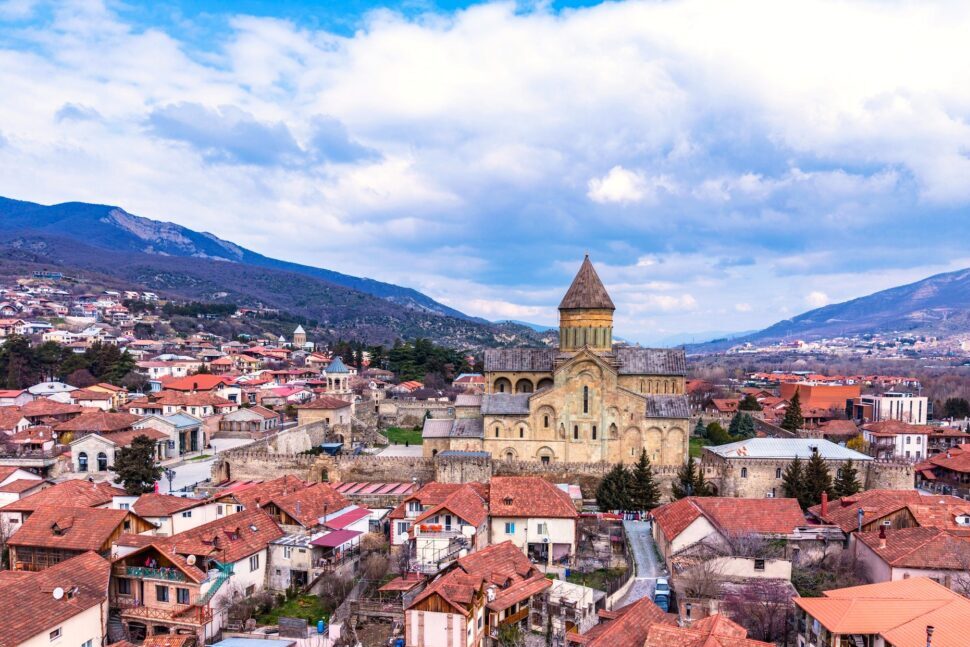
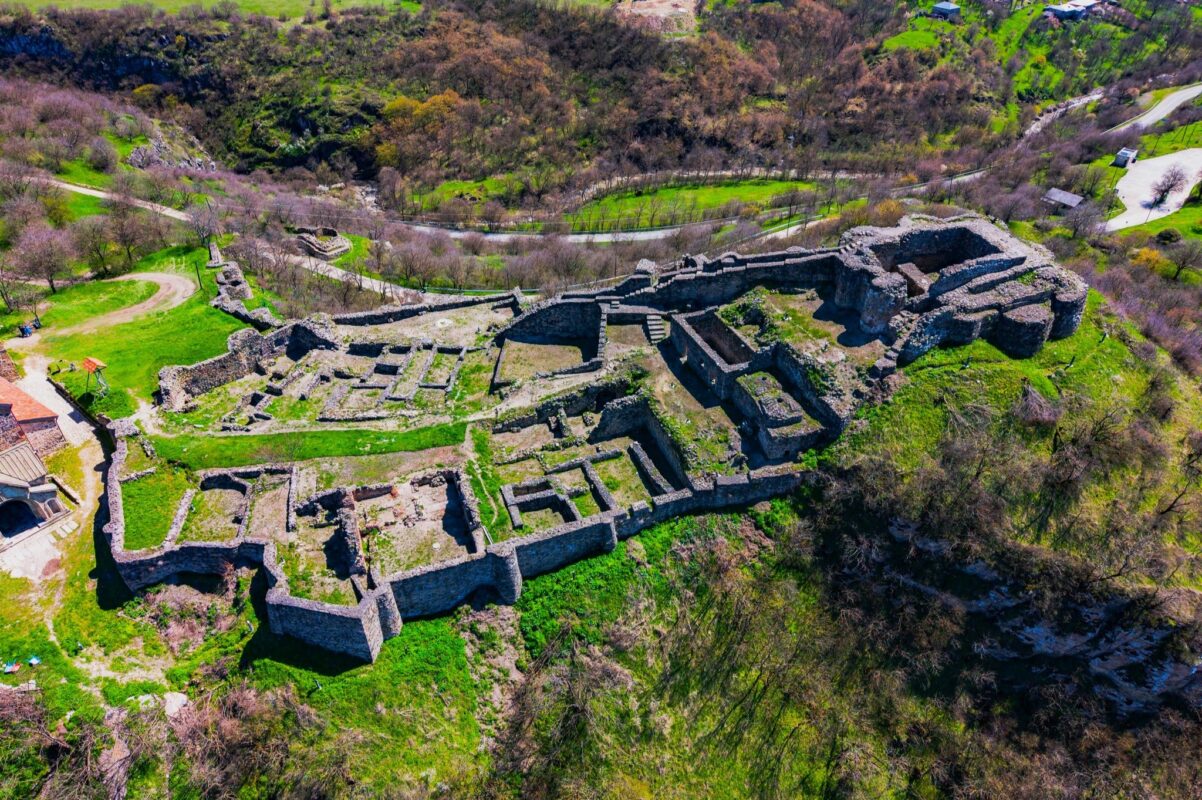
The architecture is particularly fascinating. Pearls of Georgian architecture such as the Alaverdi Cathedral, the castle of Gremi, the city wall of Sighnaghi and the castles of Telavi and Udscharma are located here. The rock monastery of Davit-Garedscha also belongs to the region.
Cuisine and wine
The Kakheti region is also known for its excellent cuisine. Meat dishes are very popular here, including traditional specialities such as mtsvadi (grilled meat on zalami), chaschlama, chakafuli, chichirtma and many more.
Kakhetian cuisine would not be complete without Kakhetian wine, as Kakheti is known for its wine culture and plays a prominent role in Georgian wine production. About 200 grape varieties have been described in this region, including popular varieties such as Rkatsiteli, Kakhetian Mtsvane, Chachvi, Kisi and Saperavi.

 +995 599 495 595
info@reiseziel-kaukasus.de
+995 599 495 595
info@reiseziel-kaukasus.de